End of tenancy cleans in the UK
End of tenancy cleans help landlords, letting agents and tenants hand over a property in a better condition at the end of a lease. Our end of tenancy cleaning service is focused on the detailed clean that sits beyond routine housekeeping, with attention to kitchens, bathrooms, floors, fixtures and the hard-to-reach areas that often need extra care before inspection. If you want a more straightforward way to request a quotation, start with the details of the property and the level of cleaning you need.
We work across the full property rather than treating the job as a quick surface tidy. That means the cleaning approach can cover grease on kitchen fittings, limescale around taps, dust on skirting boards, marks on doors, and buildup in places that are easy to miss during a move. A well-planned clean supports a tidy handover and helps the property present well for final checks, inventory review or new occupants.
For many customers, the main decision is how much attention the property needs in each room. Some homes only need a deep refresh after a short tenancy, while others call for a more intensive clean because there has been heavier use or a longer occupancy. The service can be arranged around the condition of the property, the number of rooms and any areas that need particular focus, so the cleaning work stays practical rather than generic.
Detailed cleaning for kitchens, bathrooms and living spaces
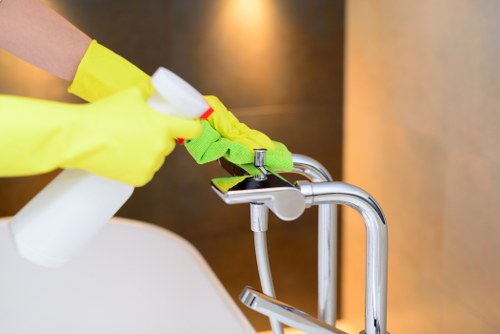
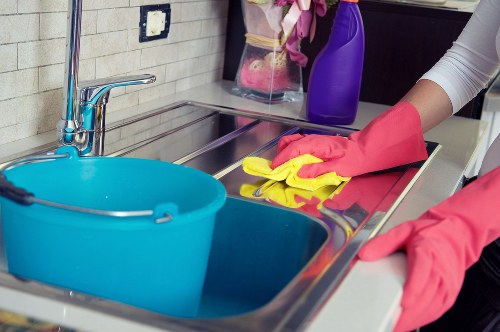
The kitchen is often the most demanding room at the end of a tenancy, so our cleaning can concentrate on grease-prone and high-use surfaces. That may include cupboard fronts, splashbacks, sinks, extractor areas and appliance exteriors where build-up is visible. Bathrooms need a different approach, with work aimed at sanitaryware, tiles, taps, shower screens and other fittings that often show water marks or residue. These are the spaces where a careful deep cleaning approach is especially useful because it targets the neglected details as well as the obvious surfaces.
Living rooms, bedrooms and hallways usually need a more balanced clean, but they still benefit from thorough dust removal and attention to edges, switches and trims. We can clean around furniture that remains in place, subject to access, and focus on the visible surfaces that matter at checkout. Where a property has been lived in for some time, the work may also include wiping internal doors, polishing fittings and dealing with marks that ordinary weekly cleaning might not have addressed.
Typical end of tenancy cleaning tasks can include the following:
- vacuuming and mopping floors where suitable
- wiping reachable surfaces, ledges and fixtures
- cleaning sinks, taps and bathroom fittings
- removing dust from skirting boards and corners
- tidying kitchens, cupboards and appliance exteriors
Bedrooms, hallways and finished surfaces

Bedrooms and circulation spaces often look simple at first glance, yet they can hold dust along edges, behind doors and on high-touch points such as handles and switches. A sensible end of tenancy clean gives these areas proper attention so they feel fresh when the property is inspected. Where carpets are present, the condition of the pile and the amount of use can influence whether the room benefits from additional treatment, and that is where a matching carpet cleaning service may be relevant.
Finished surfaces also matter because they create the overall impression of order. Light fittings, frames, bannisters, shelving and accessible fittings can all collect dust or marks that become more noticeable once belongings have been removed. We aim to clean methodically so the property looks consistent from room to room, rather than polished in one place and unfinished in another. That kind of consistency is especially important when the return of keys follows a final walk-through.
If you are arranging a clean for a larger property or one with mixed floor types, it can help to think about the rooms in layers. Heavy-use spaces may need extra work, while secondary rooms may only need standard detail cleaning. The result is a service that can be scaled sensibly without wasting time on work that does not add value. Clarity about the rooms, flooring and fixtures makes it easier to shape the right clean for the property.
Appliances, fixtures and hard-to-reach areas
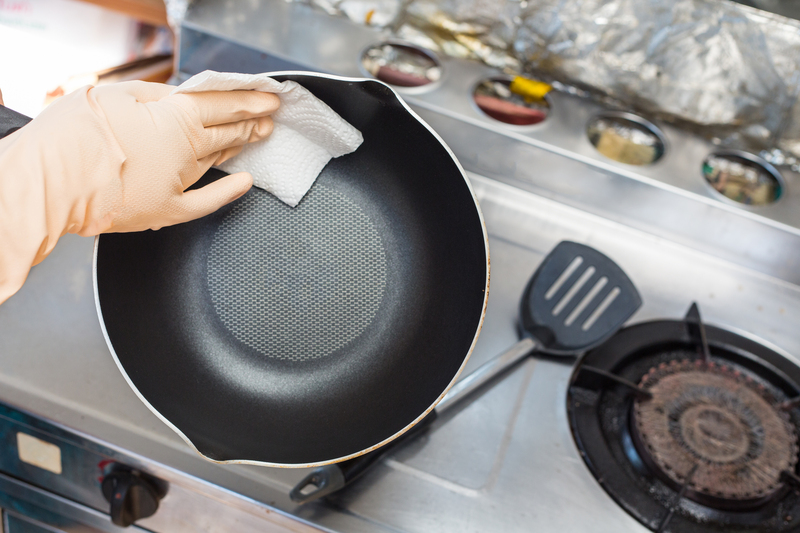
Many tenancy cleans become more time-consuming when appliances and fixed fittings need attention. Ovens, hobs, cooker hoods, fridge exteriors and washing machine surrounds can all gather grime over time, and those marks can be obvious in an otherwise tidy room. Where the property needs a more appliance-led clean, a dedicated oven cleaning option can be a useful part of the overall plan, particularly when grease has built up and the kitchen needs a stronger finish.
We also pay attention to the awkward areas that are easy to overlook, such as behind radiators where accessible, around pipework, along window tracks, and at the base of cabinets or furniture. These details rarely stand out in everyday living, but they can influence the final impression once the property has been emptied. A proper tenancy clean is not just about visible centre surfaces; it is also about the edges, corners and joins that show whether the room has been cleaned with care.
Where a property includes lots of gloss, glass or reflective surfaces, the order of cleaning matters. Fingerprints, water spotting and residue can quickly come back if the work is rushed, so it is better to handle the rooms in a logical sequence. That makes the result more consistent and avoids unnecessary rework. If you are planning ahead, the cleaner the information you provide about fittings and room condition, the easier it is to shape the work to suit.
Floor care and fabric cleaning options

Floors often determine how complete an end of tenancy clean feels. Hard floors may need sweeping, vacuuming and mopping, with extra care around joins, corners and the edges where dust settles. If the property has a lot of tile or sealed flooring, a separate hard floor cleaning service can be relevant when the surface needs more than a quick wipe. The aim is to leave floors looking presentable without over-wetting or damaging sensitive finishes.
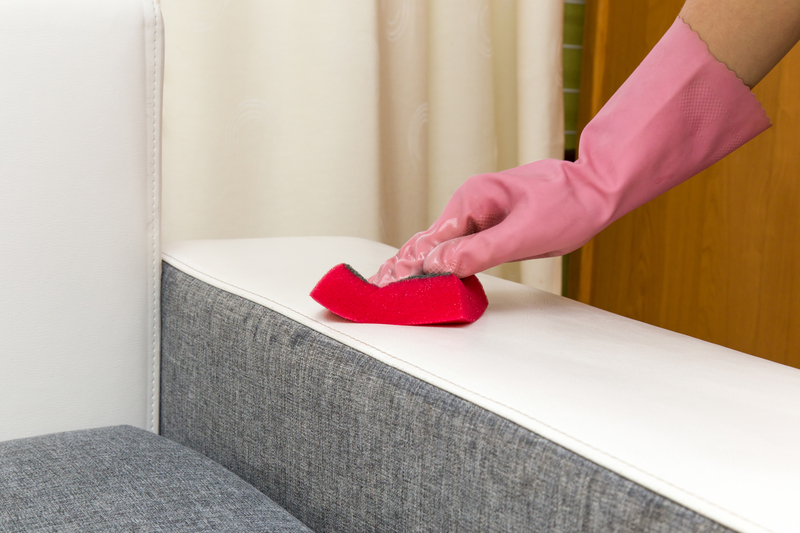
Soft furnishings and textiles are another area where the right choice depends on condition. Carpets, rugs, sofas and upholstered seating can trap dust and everyday marks, so they may need treatment beyond the general tenancy clean. Depending on the property, a upholstery cleaning visit may help refresh fabric seating, while rug care can be considered separately if there are decorative floor coverings that need specific attention. Matching the method to the material matters because not every surface can be cleaned in the same way.
The same principle applies to rooms with mixed finishes. A glossy kitchen floor, a fitted carpet in the bedroom and a fabric sofa in the living room each need a different approach, and it is more efficient to plan them together than to treat them as unrelated tasks. Material awareness is one of the main differences between an ordinary clean and a proper end of tenancy service, because it helps protect finishes while still improving presentation.
How the quotation is usually shaped
Quotation requests are generally easier to assess when the property type, room count and main cleaning priorities are clear. A clean for a compact flat will usually need a different amount of work from a larger house, and the condition of kitchens, bathrooms and flooring can also affect the plan. We do not need unnecessary detail, but useful information about the main rooms and any special concerns helps create a sensible scope rather than a vague estimate. For a quick starting point, you can use the pricing and quotes page to see how enquiries are handled.
One of the simplest ways to prepare is to note the areas that matter most, then decide whether they sit within the main tenancy clean or need separate attention. For example, an appliance-heavy kitchen, a stained carpet or a fabric sofa may call for a broader cleaning plan than standard room-by-room work alone. If access arrangements, timing or parking constraints affect the job, mention them in the enquiry so the clean can be planned more accurately from the outset.
Support for landlords, tenants and letting agents
Different customers usually want the same thing at the end of a tenancy: a property that is clean, presentable and ready for the next stage. Landlords may be focused on presentation for new occupants, tenants may want a thorough handover clean, and letting agents may need a consistent standard across repeat instructions. The work can be adjusted to suit the purpose, whether the emphasis is on general readiness, neglected details or specific room-by-room targets.
That flexibility also applies to the type of property. Flats, terraced houses and larger homes tend to need the same core cleaning principles, but the time spent in each room can vary. In some cases the most useful plan is to combine the main end of tenancy clean with another targeted service, such as carpet cleaning for worn traffic areas or a detailed kitchen clean where surfaces have gathered stubborn residue. The best results usually come from choosing the right mix of tasks, not simply adding more work everywhere.
Before the clean begins, it is sensible to make sure the property is ready for cleaning access and that any items to remain on site are clearly identified. That does not need to become a long checklist; simple clarity about keys, utilities and the rooms to be cleaned is often enough. Good preparation saves time and helps the work flow in a tidy order, especially when several areas need different levels of attention.
About the place: the UK
The United Kingdom is a sovereign country made up of England, Scotland, Wales and Northern Ireland, with each part contributing its own legal, political and cultural identity within the wider state. London is the capital, but the country’s character is shaped by many regional centres, historic towns and coastal communities that developed through trade, industry, agriculture and migration. Its landscape ranges from upland areas and river valleys to dense urban districts, national parks and long stretches of coastline, giving the country a remarkable variety within a relatively compact territory. The built environment reflects that range as well, from medieval cathedrals and Georgian terraces to industrial warehouses, Victorian stations and modern civic buildings. In many cities, centuries-old streets sit close to contemporary retail and office districts, and that layering of history is one reason British places often feel visually complex. Public parks, museums, libraries and galleries play an important part in everyday life, while rail corridors, motorways and ports connect towns and regions across the islands. The UK also has a strong tradition of local governance and community institutions, so civic halls, markets and high streets still matter as social and commercial spaces. Cultural life is broad, with theatre, music, football, festivals and regional food traditions all forming part of everyday experience. This mix of heritage, settlement patterns and shared public spaces gives the country a distinctive identity that is recognised both within the islands and internationally.
Additional cleaning choices when a property needs more than one service

Some end of tenancy cleans benefit from being planned alongside another specialist task rather than treated as one all-purpose visit. A property with builders’ dust, for example, may need a more intensive finish after refurbishment, while a home with badly marked sofas or rugs may need fabric care in addition to the main clean. In those situations, services such as after builders cleaning can be relevant where the property has recently been altered, decorated or repaired and needs a proper final tidy.
It can also be sensible to think about windows, especially if the property has internal glass partitions, patio doors or larger external panes that are affecting the overall presentation. A separate window cleaning service may be useful when smears, dust or water marks are visible and the rest of the property has already been cleaned carefully. The point is not to add tasks for their own sake, but to identify which surfaces change the final impression most clearly.
When you are ready, send the property details and the main rooms that need attention, and we can help shape the cleaning scope into a practical quotation. If you want a simpler first step, just request a quotation and describe the property in plain terms; that is usually enough to begin the conversation. For a broader service discussion, the contact us page is the place to start.
Keeping the handover practical and well organised
The most efficient end of tenancy jobs tend to be the ones where the scope is clear from the start. A short summary of the property, the rooms involved and any items that need special attention usually gives enough direction for a useful plan. That is especially true where the property includes a mix of appliances, flooring types or fitted furniture. The more clearly the work is defined, the easier it is to match the time and cleaning method to the result you want.
It can also help to decide early whether the clean should stay strictly within the tenancy handover or include a few related tasks. Some properties only need the essentials, while others benefit from a wider finish that includes fabrics, hard floors or appliance-focused work. We can keep the service focused on what is actually needed rather than turning it into a package full of extras that do not add much value. Useful detail is better than generalisations at this stage.
If you are comparing options, think in terms of outcomes rather than labels alone. The right clean is the one that fits the property condition, the layout and the level of attention each room needs. Ask for a quotation when you are ready, and share enough information for a realistic scope so the service can be planned properly from the outset.