Deep Cleaning in End Of Tenancy Cleans
When a tenancy comes to an end, the property needs more than a quick tidy-up. It needs a proper, detailed clean that helps it feel fresh for the next occupants and leaves every room looking cared for. That is where Deep Cleaning in End Of Tenancy Cleans makes a real difference. Whether you are a tenant aiming to hand back a property in good condition, a landlord preparing for new residents, or a letting agent managing a busy turnaround, a thorough end of tenancy clean saves time, reduces stress, and helps the whole move-out process feel more organised.
Local customers often need this service at short notice, especially when keys are due back, inventory checks are approaching, or a property has seen normal wear from everyday living. A deep clean goes far beyond standard domestic cleaning. It focuses on the buildup that happens over time: grease inside kitchen cupboards, limescale in bathrooms, dust behind furniture, marks on doors and skirting boards, and the kind of hidden dirt that is easy to miss when a property is still furnished. For many people searching for end of tenancy cleaning near me, the real value is having a team that understands both the level of detail required and the practical realities of local homes, flats, maisonettes, shared houses, and managed rentals.
If you need a service that is designed around move-out deadlines and local property expectations, a professional deep clean is often the easiest way to get everything back under control. From one-bedroom apartments to larger family homes, and from simple rental units to busy commercial-style premises that have been adapted for housing, the aim is the same: leave the property looking clean, presentable, and ready for the next stage. Contact us today if you want a detailed clean that is focused on tenancy handover rather than everyday upkeep.
Why Deep Cleaning Matters at the End of a Tenancy

Moving is already stressful without having to scrub every surface at the last minute. End of tenancy deep cleaning is important because it tackles the areas that regular cleaning routines often miss. Over months or years, kitchens collect cooking residue, bathrooms build up soap scum and limescale, and living spaces gather dust in corners, behind appliances, and on top of fittings. A detailed clean helps restore the property to a more neutral, well-kept condition.
For tenants, this can make the handover smoother and help avoid disputes over cleanliness during inspection. For landlords and letting agents, it supports a quicker re-let because a professionally cleaned property is easier to view, photograph, and prepare for new tenants. In busy local rental areas, where properties are often turned around quickly, that time saved can be valuable. The service is especially useful in flats with limited storage, shared houses with heavier use, and family homes where multiple rooms need close attention.
There is also a practical benefit to deep cleaning in end of tenancy cleans: it creates consistency. Different properties have different layouts and levels of use, but the expectation remains the same—clean surfaces, hygienic bathrooms, fresh-smelling rooms, and a finish that feels ready for a fresh start. That consistency is what makes the service useful for both residential and commercial customers who manage rented spaces and need dependable results.
What a Professional End of Tenancy Deep Clean Includes

A proper end of tenancy cleaning service is usually more detailed than standard domestic cleaning. It is designed to cover the full property from top to bottom, paying attention to the visible areas that matter most during inspections as well as the hidden spaces that often collect dirt. While every property is different, a thorough service commonly includes kitchens, bathrooms, bedrooms, living rooms, hallways, stairs, and high-touch points throughout the home.
Typical tasks may include cleaning inside cupboards, wiping skirting boards, removing dust from shelving, washing down doors and door frames, cleaning light fittings where accessible, and detailing window sills and ledges. In the kitchen, this usually means degreasing surfaces, cleaning around appliances, wiping splashbacks, and tackling the build-up that can remain after everyday cooking. In bathrooms, a deep clean may focus on sinks, taps, tiles, toilets, showers, baths, and limescale removal. Floors are usually vacuumed and mopped carefully to remove dust, crumbs, and fine debris left behind by moving furniture or packing boxes.
Many customers also ask for attention to ovens, extractor fans, fridges, and other appliances, especially if these are part of the tenancy inventory. This is often where a specialist clean adds the most value, because appliances need more than a quick wipe. They need the type of detailed treatment that makes them presentable for the next occupier and suitable for handover checks. When booking deep cleaning in end of tenancy cleans, it is always sensible to confirm exactly what is included so the service matches the property and the tenancy agreement.
Common areas covered during a full clean
- Kitchen: cupboards, worktops, sinks, splashbacks, appliance exteriors, and grease-prone areas
- Bathroom: toilets, baths, showers, taps, tiles, mirrors, and limescale treatment
- Bedrooms: wardrobes, shelves, skirting boards, window areas, and floors
- Living spaces: dusting, wiping surfaces, removing marks, and vacuuming or mopping
- Hallways and stairs: handrails, edges, corners, and high-traffic floor areas
How the Service Works from Start to Finish

The process should feel straightforward. A local end of tenancy deep clean usually starts with an initial discussion about the size of the property, the number of rooms, the condition of the space, and any areas that need special attention. This helps create a plan that reflects the real condition of the home rather than a one-size-fits-all checklist. If the property has been occupied for a long time, has pets, or has just undergone a period of busy use, the clean may need extra time focused on certain rooms.
Once the booking is confirmed, the team arrives with the right tools and cleaning materials to deal with common tenancy issues such as grease, dust, stains, and bathroom residue. For local properties, practical access matters too. Flats with limited parking, homes on narrow roads, or properties near busier local centres can all affect timing and arrival logistics. A local company is often better placed to plan around these everyday challenges, which helps the appointment run more smoothly and reduces delays on the day.
After the clean is completed, the property should be checked room by room so nothing is overlooked. This final walk-through is useful whether the customer is a tenant getting ready to return keys, a landlord preparing for new occupants, or a managing agent moving quickly to the next stage. If any additional areas need attention, they can usually be discussed before the handover. Book your service now if you want a well-organised clean that fits around your move-out schedule.
What a well-managed appointment usually looks like
- Initial property details are reviewed
- Problem areas and priorities are identified
- The clean is carried out room by room
- High-use spaces are checked carefully
- The property is reviewed before completion
Areas That Need the Most Attention in Deep Cleaning

Some parts of a property are naturally more difficult to keep spotless, and these are usually the places where end of tenancy cleans make the biggest impact. Kitchens, for example, often show signs of long-term use because of steam, cooking oils, food splashes, and constant handling. Bathrooms can accumulate limescale, soap residue, hair, and watermarks. These are all normal issues in lived-in homes, but they still need a careful clean before a move-out inspection.
Windows and frames are another area where detail matters. Smudges on glass, dust in tracks, and grime on sills can leave a property looking less finished than it really is. Similarly, skirting boards, switches, handles, and other touch points can collect marks that become noticeable once the rooms are empty. Many tenants are surprised by how much these small details influence the final impression of the home.
For larger homes, maisonettes, and properties with more than one floor, the stairs and landings often need extra attention too. Dust gathers along edges and on balustrades, while traffic marks can appear on walls and handrails. In furnished rentals, cleaning around beds, sofas, and storage units can be more challenging, especially where access is tight. A deep cleaning team used to end of tenancy cleans knows how to work around furniture, packed belongings, and limited space without rushing the detail that matters.
Examples of detail-focused tasks
- Removing dust from corners, edges, and behind furniture
- Cleaning cupboard interiors and drawers
- Degreasing kitchen surfaces and appliance areas
- Refreshing bathroom fixtures and fittings
- Wiping marks from switches, handles, and doors
- Vacuuming and mopping floors carefully around tricky spaces
Why Local Customers Choose a Local Deep Cleaning Team
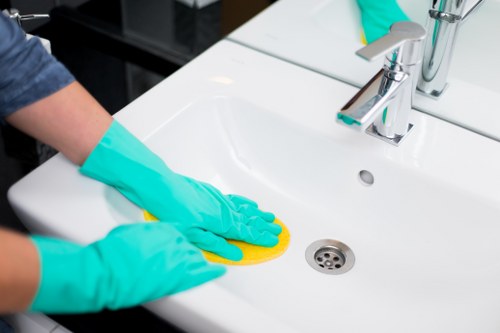
Choosing a local company for deep cleaning in end of tenancy cleans has practical advantages that matter to real customers. Local teams are usually more familiar with the types of homes in the area, from purpose-built flats and terraced houses to converted properties and newer apartment blocks. That means they understand typical access issues, parking limits, building entry procedures, and the kind of turnaround pressures that often come with rental moves.
Local knowledge is especially useful in neighbourhoods where parking can be tight, service lifts are shared, or properties sit on busy roads with limited stopping space. A team that works locally can plan around these details more effectively, which helps avoid unnecessary delays and keeps the appointment on track. This can be a big benefit when keys need to be handed back by a fixed time or when an inventory clerk is due shortly after the clean.
There is also the benefit of direct service. Local customers often want to speak to someone who understands the area, the property type, and the urgency of the job. Whether the clean is for a residential tenancy or a commercial-style rental property, a local provider is often better placed to respond quickly and work around move-out deadlines. If you are looking for an end of tenancy cleaning service near you that feels reliable and practical, choosing local support can make the whole process easier.
What Makes a Deep Clean Different from a Regular Clean?
A regular clean is usually about maintaining a tidy home from week to week. A deep clean, by contrast, is about restoring a property after extended use, moving furniture, or preparing for a formal handover. It requires more time, more detail, and more attention to problem areas that are often hidden during day-to-day living. This is why end of tenancy deep cleaning is not the same as a standard domestic visit.
In a regular clean, the priority may be surfaces, floors, and visible dirt. In a deep clean, the focus expands to include accumulated residue, neglected corners, stubborn bathroom marks, dust on top of fixtures, and the inside of storage spaces. The work is often more physical too, because it involves bending, reaching, scrubbing, and carefully moving around empty or partially furnished rooms. That is especially helpful in rental homes where the final condition needs to be judged room by room.
For customers trying to decide which service they need, the simplest way to think about it is this: if the property is being handed over, inspected, or prepared for new occupants, it likely needs a deep clean rather than a routine tidy. This is one of the key reasons people search for deep cleaning in end of tenancy cleans rather than general cleaning help.
When a deep clean is usually the right choice
- At the end of a tenancy before keys are returned
- Before a new tenant moves in
- After long-term occupancy or heavy use
- When a property has been left empty and needs refreshing
- When a landlord or agent wants a consistent handover standard
Preparing Your Property Before the Clean
Good preparation can help the clean go more smoothly and save time on the day. Tenants often ask what they should do before the team arrives, and the answer depends on how much of the property is being cleaned and whether it is furnished or empty. In general, it helps to remove personal belongings, pack boxes out of the way where possible, and ensure the cleaners have access to every room that needs attention.
If the property still contains large items, it is useful to let the cleaning team know in advance. This allows them to plan around wardrobes, beds, sofas, white goods, and other fixtures. For local homes with limited space, parking restrictions, or shared entrances, make sure any access instructions are clear. A local service can often work efficiently, but only if it has the right information before arrival. That includes entry codes, key collection arrangements if relevant, and any rooms that should be prioritised.
Some tenants also find it helpful to defrost fridges and freezers ahead of time if these appliances are included in the clean, as this makes the process more efficient. Similarly, removing rubbish, recycling, and leftover food can help the team focus on detailed cleaning instead of waste removal. Request a free quote if you want to discuss the property setup and understand what kind of clean is suitable for your move-out.
Simple preparation checklist
- Remove personal items and valuables
- Empty cupboards and drawers where possible
- Share access details and parking information
- Let the team know about stubborn stains or damaged areas
- Defrost appliances if they are part of the clean
- Ensure water, electricity, and access to rooms are available
Pricing Factors for End of Tenancy Deep Cleaning
Customers often want to know what affects the cost of a deep cleaning appointment. While exact prices depend on the property and the level of work required, several factors commonly influence the final quote. The size of the property is one of the most important, because a studio flat will take less time and labour than a large family house with multiple bathrooms, stairs, and additional rooms. The condition of the property also matters, especially if there is heavy grease, extensive dust, or long-term build-up in kitchens and bathrooms.
Other factors include whether appliances need detailed cleaning, whether the property is furnished, and how much access is available on the day. Properties in busy local streets, upper-floor flats, or buildings with restricted parking may take more planning, even if the cleaning itself is straightforward. If the home needs extra attention to ovens, inside cupboards, shower screens, or detailed bathroom descaling, that can also affect the time required.
For landlords, letting agents, and tenants alike, the best approach is to ask for a clear quote based on the actual property rather than a guess. That way the service can be matched to the condition of the home and the tenancy deadline. A fair, local quote should reflect the work needed, the access involved, and whether the clean is for an empty property, a furnished rental, or a place that needs especially detailed treatment before handover.
Things that commonly affect the quote
- Property size and number of rooms
- Current condition and level of build-up
- Whether appliances are included
- Furnished or unfurnished layout
- Access, parking, and timing requirements
- Any additional requests for detail areas
Useful for Tenants, Landlords, and Managing Agents
One of the strengths of end of tenancy deep cleaning is that it serves different customer needs at the same time. Tenants often want a reliable clean that helps leave the property in good shape and makes the move-out process less stressful. Landlords need a property that looks cared for and ready to re-let. Letting agents and property managers need a service that fits into a tight turnaround and respects the practical demands of a schedule.
This is particularly relevant in areas with a lot of rental movement, where flats, terraced houses, and shared homes may be reoccupied quickly after one tenancy ends. A proper clean can help a property feel fresh and presentable, whether it is being shown to prospective tenants, checked after a departure, or prepared for the next phase of occupancy. It also helps keep the transition professional, which can reduce avoidable delays.
Commercial customers who manage residential portfolios or mixed-use buildings may also benefit from a local team that understands both domestic and business expectations. In these cases, the service needs to be practical, well-organised, and able to deliver a clear result without disrupting the handover timeline. That is why many people prefer a specialist approach rather than trying to manage the whole clean themselves.
Areas Covered and Property Types Supported
Local demand for end of tenancy cleaning often comes from a wide range of neighbourhoods and property types. Nearby areas may include town centres, suburban streets, estate developments, older terraces, converted homes, and apartment blocks close to transport links. The exact coverage depends on the local service area, but customers usually need a provider that can handle the different layouts and access challenges found across the region.
Common property types include studio flats, maisonettes, one- and two-bedroom rentals, larger family homes, HMOs, and managed properties with shared entrances. Some cleans are straightforward and empty, while others involve furniture, appliance detailing, or extra attention because the property has been occupied for a long time. A good local company should be able to adapt to these differences rather than offering a one-size-fits-all approach.
If your property is in a busy residential street, a top-floor flat, or an area where parking and loading are difficult, that is worth mentioning early. Local teams are often used to planning for these situations and can advise on the best way to manage access. Book your service now if you need a dependable clean for a property in one of the surrounding local areas.
Frequently covered neighbourhood types
- Town centre apartments and converted flats
- Family homes on residential streets
- Shared rental houses and HMOs
- Managed lets and landlord portfolios
- Properties near stations, schools, and local business districts
Frequently Asked Questions
How far in advance should I book?
It is best to book as early as possible, especially if your move-out date is fixed or the inventory check is scheduled soon after the clean. Local teams may sometimes help with shorter notice, but early booking gives more flexibility.
Do I need to be present during the clean?
Not always. Some tenants hand over access in advance, while landlords and agents may prefer to arrange entry and then return later. The right option depends on your setup, access arrangements, and personal preference.
Can you clean a furnished property?
Yes, many end of tenancy cleans are carried out in furnished homes. The clean is then adapted around furniture, storage spaces, and appliance access, with extra care taken around harder-to-reach areas.
What if the property has stubborn marks or heavy build-up?
That is common in end of tenancy work. A deep clean is designed to deal with the residue, marks, and buildup that regular cleaning often cannot remove. If any areas are especially affected, mention them when requesting a quote.
Do you clean kitchens and bathrooms in detail?
Yes, these are usually the most detail-heavy rooms in the property. Kitchens and bathrooms are often the first places to show wear, so they receive careful attention during the clean.
Is this service suitable for landlords and agents too?
Absolutely. Landlords and letting agents often use end of tenancy cleaning services to help prepare properties for new tenants and support a smoother handover process.
Why Choose a Professional Team Instead of Doing It Yourself?
It is tempting to handle a move-out clean alone, especially if you are trying to save time or keep costs down. But deep cleaning a whole property can take much longer than expected, particularly when you are also packing, coordinating removals, and dealing with key deadlines. A professional team brings the right approach, the right equipment, and the ability to focus on the level of detail that matters for tenancy handover.
Another advantage is consistency. When you are moving out, it is easy to miss areas because the property no longer feels like a normal living space. Drawers are empty, furniture may have been moved, and the rooms can be left with dust and marks that only become visible once everything has been cleared. A trained cleaning team knows where those problem spots usually hide and can work methodically through the property.
This is why many local customers choose professional deep cleaning in end of tenancy cleans instead of trying to manage the entire job themselves. It can reduce pressure, save time, and provide a cleaner finish for the final handover. If you are close to the end of your tenancy and want help getting the property ready, contact us today to discuss the clean you need.
Final Thoughts on Booking a Deep Clean for Your Tenancy Handover
End of tenancy cleaning is about more than making a property look tidy. It is about providing a detailed, room-by-room clean that supports the move-out process and helps the property feel ready for its next use. Whether you are leaving a flat in a busy local block, a family house in a residential street, or a managed rental that needs a fast turnaround, the value of a proper deep clean is easy to see.
For local customers, the best service is one that understands property type, access issues, parking challenges, and the time pressure that comes with moving. It should be practical, detailed, and focused on the areas that matter most during inspection and handover. With the right local team, you can make the final stage of moving much simpler and ensure the property is cleaned to a strong, consistent standard.
Request a free quote or book your service now if you need a reliable, detailed clean for an upcoming tenancy change. A professional approach to deep cleaning in end of tenancy cleans can make the process easier for everyone involved.