How to prepare a commercial space for a professional clean
Getting a commercial space ready for a professional clean sounds simple enough, but in practice it can make a huge difference to the end result. Whether you manage an office, retail unit, clinic, showroom, warehouse, or shared workspace, good preparation helps cleaners work safely, efficiently, and without missing the details that matter. It also reduces disruption for your team. In our experience, the spaces that are prepared properly always clean up better. Always.
This guide explains how to prepare a commercial space for a professional clean in a way that is practical, realistic, and easy to follow. You will find a step-by-step plan, common mistakes to avoid, useful best-practice guidance, and a straightforward checklist you can use before the cleaning team arrives.
Table of Contents
- Why preparation matters
- How the preparation process works
- Key benefits and practical advantages
- Who this is for and when it makes sense
- Step-by-step guidance
- Expert tips for better results
- Common mistakes to avoid
- Tools, resources and recommendations
- Law, compliance, standards, or best practice
- Options, methods, or comparison table
- Case study or real-world example
- Practical checklist
- Conclusion
- Frequently asked questions
Why How to prepare a commercial space for a professional clean Matters
A professional clean is not just about turning up with equipment and getting on with it. Commercial spaces are busy, layered environments. There may be staff belongings, confidential papers, fragile fixtures, customer-facing areas, specialist flooring, kitchenettes, washrooms, or shared storage. If the space is not prepared properly, even a skilled team can lose time clearing access, working around hazards, or guessing what should be moved and what should stay put.
Good preparation matters because it protects the workflow on both sides. Your team knows what has to happen before the appointment. The cleaners know where they can work safely and where extra care is needed. That is especially useful in places that see regular footfall, like offices, reception areas, shops, and consulting rooms. A cleaner, more organised space also means fewer surprises on the day, which is a relief when you are already juggling operations, customers, and deadlines.
There is also a commercial reason for doing it well. If the cleaner spends the first hour navigating clutter, locked cabinets, or unidentified items, the service may take longer and feel less efficient. By contrast, a well-prepared room lets the team get into the real work quickly: deep cleaning surfaces, sanitising touchpoints, treating carpets, dealing with hard floors, or reaching those awkward edges behind furniture. If your site needs more targeted support, services such as office cleaning or deep cleaning can be useful complements to a one-off commercial clean.
To be fair, the benefits are not only about appearance. Preparation can reduce the chance of accidental damage, misplaced items, and delays. That alone is worth a bit of planning.
How How to prepare a commercial space for a professional clean Works
The preparation process is basically about removing friction. You want the space to be as clear, accessible, and predictable as possible before the cleaning team arrives. Think of it as setting the stage so the actual clean can happen properly.
Most commercial cleaning jobs follow a simple pattern:
- the site is reviewed in advance
- the customer identifies any priority areas, restrictions, or hazards
- items that could block cleaning are moved or secured
- personal belongings, documents, and valuables are protected
- the cleaning team arrives with a clear route and a clear brief
- the work is completed with less interruption and less back-and-forth
That sounds tidy on paper, and in reality it often is, provided the preparation is thought through. For example, if an office is being cleaned after a renovation, the prep will be different from a standard maintenance clean. Dust may have settled inside cupboards, beneath desks, or around skirting. In that case, a service like after builders cleaning may be more suitable than a routine visit.
A strong prep plan also helps the cleaners use the right approach for each surface. A hard floor needs different handling from carpet, upholstery, or glass. If your premises include any of those, it helps to flag them early. That is where specialist services such as hard floor cleaning, carpet cleaning, or window cleaning can become relevant to the job.
In short: the cleaner does the cleaning, but the preparation makes the cleaning possible. Bit of a boring truth, maybe, but a very useful one.
Key Benefits and Practical Advantages
When a commercial space is prepared properly, the benefits show up fast. Some are obvious, others only become clear after you have had a few professional cleans and seen the difference.
- Better results: clutter-free surfaces and clear access allow cleaners to reach high-touch areas, edges, and hidden spots.
- Less disruption: staff are not asked to move things at the last minute, and the cleaning team can work more smoothly.
- Lower risk of damage: items that are secured or removed are less likely to be knocked, stained, or misplaced.
- More accurate pricing and planning: the cleaner can estimate the job more confidently when the space is described clearly.
- Improved safety: blocked walkways, loose cables, and trip hazards can be dealt with before work starts.
- Better hygiene outcomes: when touchpoints, toilets, staff kitchens, and shared equipment are accessible, they can be cleaned properly.
There is also a morale benefit, and people sometimes underestimate that. Staff walking into a properly cleaned commercial space tend to notice it straight away: the smell of fresh surfaces, the absence of dust on monitors, the cleaner sheen on floors. It feels sharper. More professional. Customers notice too, even if they never say so out loud.
If you are managing multiple sites or recurring cleaning contracts, the knock-on effect can be even stronger. Preparation becomes a repeatable process rather than a panic each time. That is where working with a reliable cleaning company or dedicated cleaners helps create consistency.
Who This Is For and When It Makes Sense
This guide is for anyone responsible for preparing a non-domestic property for a professional clean. That might be an office manager, facilities coordinator, landlord, shop owner, property manager, or business owner trying to get things in order after a busy trading period. It is also useful for people organising one-off work before a move, refit, or inspection.
It makes sense to prepare carefully when:
- the space contains confidential documents or valuables
- furniture needs to be moved in advance
- there are specialist surfaces like stone, vinyl, timber, glass, or carpet
- the building has staff working on-site during cleaning hours
- you need the work done with minimal interruption
- there are safety concerns, restricted areas, or sensitive equipment
This is especially relevant for office environments. Offices can look tidy at first glance, but once you start checking under desks, behind printers, and around communal areas, the real story appears. That is why many businesses use office cleaners for regular support and then arrange a more intensive clean when needed.
It is also useful for premises that have had a burst of activity, such as events, seasonal peaks, or a fit-out. If the space is basically functional but just a bit grim around the edges, a one-off cleaning appointment may be enough. If it is more heavily soiled, plan for more prep and a deeper brief.
Step-by-Step Guidance
Here is a practical way to prepare a commercial space for a professional clean without making it more complicated than it needs to be.
1. Confirm what type of clean you actually need
Start by clarifying the scope. Is it a maintenance clean, a deep clean, a post-build clean, or a targeted service for carpets or glass? The answer affects everything else. If you are not sure, describe the condition of the space honestly. A cleaner can work with that, but vague instructions often create muddles. You do not want a surface clean when what you really needed was a proper reset.
2. Walk the space before the clean
Do a simple walkthrough and note anything that could slow the job down. Look for loose items, blocked access, stains, fragile fixtures, or locked cupboards. Check under desks and around meeting tables. If there are areas that must remain untouched, mark them clearly. Honestly, this five-minute check can save a lot of awkward backtracking later.
3. Remove personal and confidential items
Ask staff to clear desks, shelves, and shared counters of personal belongings, paperwork, and anything sensitive. In an office, this matters more than people expect. Cleaners should not be asked to guess what can be moved. A tidy, cleared surface gives them room to work and helps protect privacy.
4. Secure valuables and equipment
Move portable valuables to a locked room or secure cabinet. Power down fragile equipment where appropriate and label anything that should not be touched. If you have specialist machinery, stock, or display items, make it obvious what is off-limits. The cleaner may be professional, but they are not mind readers.
5. Clear the floors and access routes
Floor areas should be as open as possible. Move boxes, floor stands, spare chairs, and anything else that blocks edges or corners. Clear walkways, entrance routes, and access to washrooms, kitchens, and communal areas. This is one of the biggest time-savers, especially where deep vacuuming or floor work is involved.
6. Flag problem areas and priority spots
Tell the cleaning team which areas matter most. It might be a kitchen with baked-on residue, a reception desk that needs to look smart by morning, or a toilet block that sees heavy use. If your premises also need attention on surfaces such as upholstery, rugs, or carpets, it can help to mention that early so the team can plan accordingly. Services like upholstery cleaning and rug cleaning are often easiest to organise when the items are already identified.
7. Check water, power, and access arrangements
Make sure the cleaners can get in, get around, and use the utilities they need. That might mean arranging key collection, alarm codes, lift access, parking instructions, or a building contact on the day. It sounds basic, but access problems are one of the most common reasons commercial cleans start late.
8. Set expectations for rooms and surfaces
Be explicit about what you want included. Toilets, kitchenettes, skirting boards, internal glass, bins, touchpoints, carpets, and hard floors may all be part of the work, or they may not. If the space has ovens or staff kitchen appliances, say so. It is much better to mention them than to discover later that nobody agreed on who was cleaning the grim bit at the back of the kitchenette.
9. Arrange staff timing and temporary closure if needed
If possible, clean when the space is quiet or empty. That reduces interruption and allows the team to work more methodically. If the business must stay open, move staff away from the active cleaning zones and keep routes clear. A little coordination here goes a long way.
10. Do a quick final check before the team arrives
Look one last time for bins, dishes, cables, open drawers, or anything left on the floor. Then leave the rest to the professionals. A final check is a small thing, but it tends to make the whole job feel calmer.
Expert Tips for Better Results
Some preparation habits make a disproportionate difference. They are not flashy. They just work.
- Use labels for anything unusual. If a cupboard is private, say so. If a chair is broken, label it. If a cable should not be moved, flag it.
- Photograph sensitive areas before the clean. This can help if you need to confirm how a room looked before work began.
- Stage the space rather than trying to over-clean it yourself. You do not need to scrub everything first. In fact, a rushed pre-clean can hide the real issue or waste your time.
- Think in zones. Reception, workstations, washrooms, kitchenettes, and storage areas may all need different instructions.
- Prepare for the cleaner's tools as well as the cleaner. A vacuum, mop, or specialist equipment needs physical space to operate.
- Keep fragile decor and paperwork out of the cleaning path. A small wobble on a shelf can become a mess on the floor very quickly.
If you are booking a more specialised service, ask yourself what the obvious risk points are. For example, a venue with a lot of glass will need clear access to windows and partitions. If there are heavy marks or buildup, window cleaning may be a priority rather than an afterthought. If the space includes plush seating or waiting areas, it may be worth planning around sofa cleaning as well.
And one more practical tip: do not bury the important instructions in a long email thread. Put them in a short checklist. People actually read checklists. Emails, less so. Bit tragic, but true.
Common Mistakes to Avoid
Most preparation mistakes are not dramatic. They are just inconvenient. Still, they can slow the whole service down.
- Leaving clutter everywhere. Boxes on floors, open bags, and loose papers force the cleaner to work around them.
- Not telling the team about sensitive items. If something should not be touched, label it clearly.
- Assuming the cleaner will move everything. Professional cleaners can move some items, but they should not be expected to reorganise a whole office first.
- Forgetting access details. No key, no code, no entry. Simple as that.
- Skipping high-touch points in your brief. Light switches, handles, shared desks, and kitchen surfaces matter.
- Leaving staff on the clean site without a plan. Constant foot traffic makes the job harder and less efficient.
One mistake that catches people out is underestimating specialist surfaces. A commercial space may seem straightforward until you realise it has hard flooring in one area, carpet tiles in another, fabric seating in the break room, and glass screens in the meeting rooms. Different materials need different handling. If your business uses mixed materials, a combined plan may be needed rather than a single generic clean. That is where services like hard floor cleaning and carpet cleaning become relevant again.
Tools, Resources and Recommendations
You do not need a warehouse full of supplies to prepare a commercial space properly. A few basic items are enough.
- sticky labels or printed room signs
- marker pens for quick notes
- boxes or crates for loose items
- trash bags for obvious waste
- tape or cable ties for temporary cable control
- a simple floor plan or room list for larger premises
- keys, access fobs, or security instructions in one place
For larger sites, it helps to keep a standard site-prep sheet. Nothing fancy. Just a one-page note covering access, priorities, hazards, off-limits rooms, and key contacts. That way, the next clean is easier to prepare than the last one.
If you need support beyond the immediate clean, it can be sensible to align preparation with related services. For example, some spaces benefit from office cleaning to keep daily standards under control, while others need a more intense refresh after occupancy changes, events, or seasonal pressure. In those cases, a deep cleaning approach may be the better fit.
And if items are no longer needed at all, a clearance step may come before the clean. That is especially true in storage-heavy environments. A sensible reset sometimes starts with house clearance-style decluttering principles, even in a commercial setting. Different premises, same idea: less mess, less stress.
Law, Compliance, Standards, or Best Practice
For commercial premises in the UK, preparation is not just about convenience. It should also reflect sensible workplace practice. While exact obligations vary by site type and tenancy arrangement, employers and managers generally need to think about health and safety, safe access, and protecting staff and visitors from avoidable hazards.
Best practice usually includes:
- keeping walkways free from trip hazards
- ensuring cleaning does not create unsafe conditions for staff or visitors
- separating cleaning tasks from confidential or restricted areas
- making sure any chemicals, equipment, or electrical items are handled appropriately
- sharing relevant site hazards with the cleaning provider before work begins
If your building has specific health and safety rules, fire arrangements, or security procedures, those should be communicated in advance. The same applies to insurance expectations, especially where valuable fixtures, specialist equipment, or public access are involved. A professional provider should be able to work within a clear brief and sensible site controls. If you want to review how a provider approaches safety and accountability, pages such as health and safety policy and insurance and safety can help set expectations.
It is also worth keeping privacy and data protection in mind. In a commercial environment, papers on desks, unlocked filing, or open screens can create unnecessary risk. Preparation should include basic confidentiality housekeeping, not just dust control.
Options, Methods, or Comparison Table
Different commercial spaces need different preparation styles. Here is a simple comparison to help you choose the right level of prep.
| Preparation method | Best for | What it involves | Typical result |
|---|---|---|---|
| Light prep | Well-kept offices and small retail spaces | Clear desks, remove clutter, open access, share instructions | Fast, efficient cleaning with minimal disruption |
| Structured prep | Busy offices, clinics, shared workspaces | Zone-by-zone brief, secure confidential items, label priorities, confirm access | More consistent clean with fewer mistakes |
| Full reset prep | Post-build, post-move, or heavily used premises | Remove loose items, clear storage, identify specialist surfaces, arrange deeper services | Best outcome where the space needs a serious refresh |
In practice, most businesses sit somewhere in the middle. You do not need to over-engineer it. But if you are paying for a professional clean, a little structure makes the money go further. That is just sensible.
Case Study or Real-World Example
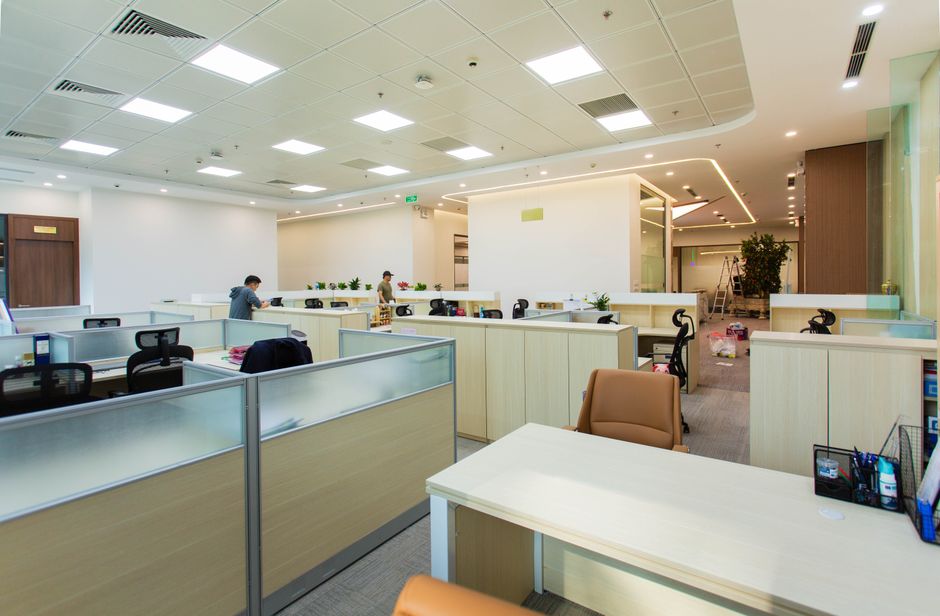
Here is a realistic example from a typical office environment. A small professional services firm wanted its third-floor workspace cleaned on a Friday evening so staff could return to a fresh office on Monday morning. At first glance, the team thought the room was tidy enough. But once they walked through it, they found open desk trays, boxes near the skirting boards, several confidential folders on meeting tables, and a row of cables running under a shared workstation.
The office manager spent half an hour preparing the space: files were locked away, surfaces were cleared, chairs were stacked safely, and the cleaner was told which cupboards were off-limits. A few carpet stains were flagged in advance, along with a glass partition that needed careful attention. Nothing dramatic. Just proper planning.
Because the room was ready, the cleaning team could start immediately rather than moving items around. They worked through the reception area, workstations, washroom, and kitchen space in a cleaner sequence, without stopping to ask basic questions. The result was better, faster, and calmer for everyone involved. On Monday morning, the office felt crisp instead of merely "done". There is a difference.
That kind of result is common when preparation is taken seriously. The clean itself may last a few hours. The benefit of doing it properly can last much longer.
Practical Checklist
Use this checklist before the professional clean starts.
- Confirm the type and scope of clean required
- Walk the space and note access issues
- Clear desks, counters, and visible surfaces
- Remove personal items, confidential files, and valuables
- Secure fragile equipment and specialist assets
- Move boxes, loose chairs, and floor clutter
- Label off-limits areas and priority rooms
- Provide access details, keys, alarms, or fobs
- Tell the team about carpets, hard floors, glass, upholstery, or other specialist surfaces
- Confirm timing so staff are not in the way
- Check toilets, kitchen areas, and communal spaces separately
- Do a final walkthrough before the cleaners arrive
If you can tick most of those off, you are in good shape. If not, no drama. Just go back through the list and tidy up the gaps.
Conclusion
Preparing a commercial space for a professional clean is really about clarity, access, and trust. When the space is organised before the cleaners arrive, the work is smoother, the results are better, and the whole process feels far less disruptive. That matters whether you are managing a small office, a customer-facing unit, or a larger business environment with multiple zones.
The best approach is usually the simple one: clear the space, protect what matters, share the right information, and let the cleaning team get on with the job. Do that well, and you will usually notice the difference straight away. The room looks sharper, the air feels fresher, and the day runs with less friction. Not bad for a bit of preparation.
Get a free quote today and see how much you can save.
Frequently Asked Questions
How do I prepare an office for a professional clean?
Clear desks, remove personal items, secure confidential documents, open access to floors and communal areas, and tell the cleaning team which rooms or surfaces need special attention.
What should be removed before commercial cleaners arrive?
Anything loose, fragile, valuable, confidential, or likely to block access should be removed or secured. That usually includes papers, bags, spare boxes, small equipment, and items on the floor.
Do I need to empty desks before office cleaning?
It is usually best to clear desk surfaces as much as possible. That gives cleaners room to work and reduces the risk of confidential or personal items being moved by mistake.
Should I move furniture before a professional clean?
Only if it is safe to do so and you have agreed it in advance. Lightweight items may be moved, but large desks, storage units, and fixed furniture should usually be discussed with the cleaning provider first.
What if my commercial space has confidential paperwork?
Store confidential papers in locked cabinets or secure rooms before the clean begins. This is a simple privacy precaution and helps avoid unnecessary handling.
How much preparation is enough?
Enough preparation means the cleaners can access the areas you want cleaned without wasting time moving clutter or asking basic questions. You do not need to make the space perfect, just workable and safe.
Should I clean the space before the cleaners come?
A light tidy is helpful, but you do not need to deep clean before a professional clean. In fact, doing too much beforehand can waste your time. Focus on access, safety, and clutter removal.
What information should I give a cleaning company in advance?
Share the size of the space, the type of clean required, access arrangements, any hazards, priority rooms, off-limits areas, and whether specialist surfaces like carpets, glass, or hard floors need extra care.
Is a one-off clean suitable for a business space?
Yes, if the space only needs a reset after a busy period, event, or general build-up. For heavier soil levels or more detailed work, a deep clean may be more appropriate.
What are the most common mistakes when preparing for a commercial clean?
The biggest mistakes are leaving clutter in place, forgetting access arrangements, failing to label restricted items, and not telling the cleaners about priority areas or sensitive equipment.
Can professional cleaners work around staff still using the building?
Often yes, but it needs planning. Staff should stay out of active cleaning zones where possible, and walkways should remain clear so the team can work safely and efficiently.
Why does preparation matter so much for carpet and upholstery cleaning?
Because carpets, rugs, sofas, and upholstered chairs often need clear access and proper identification before treatment begins. If those items are buried under clutter, the cleaning becomes slower and less effective.
A well-prepared commercial space gives the cleaners room to do what they do best, and gives you a smoother, more professional result in return. That is usually the point, after all.